Deep Space Gallery
WINDOWS TO THE UNIVERSE
The most iconic images ever captured by humanity's greatest telescopes — each one a window billions of light-years deep into the cosmos.
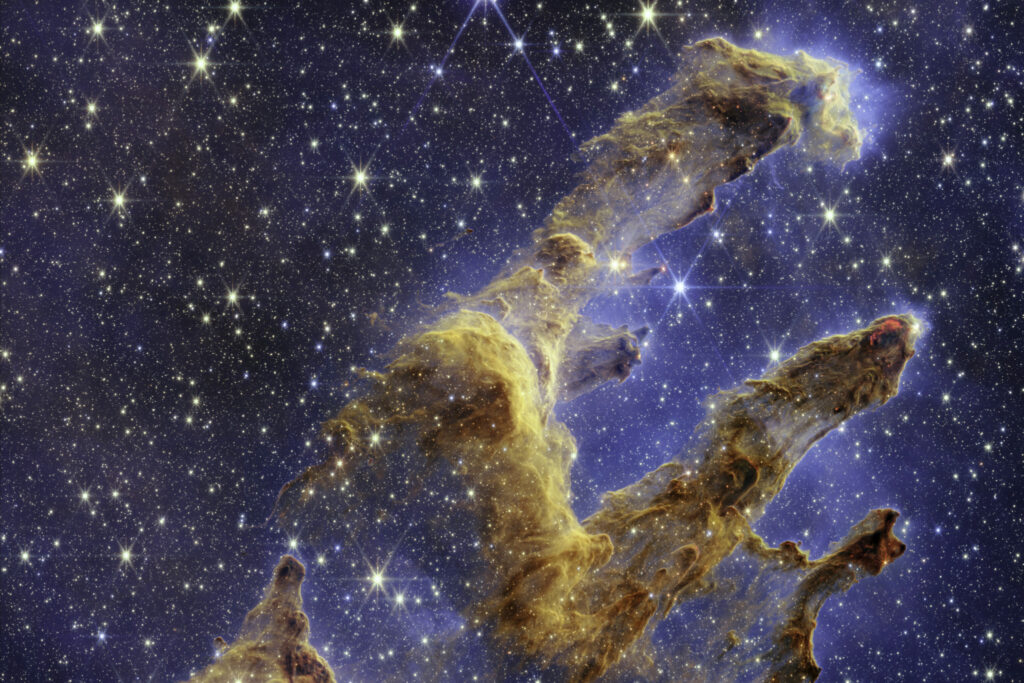
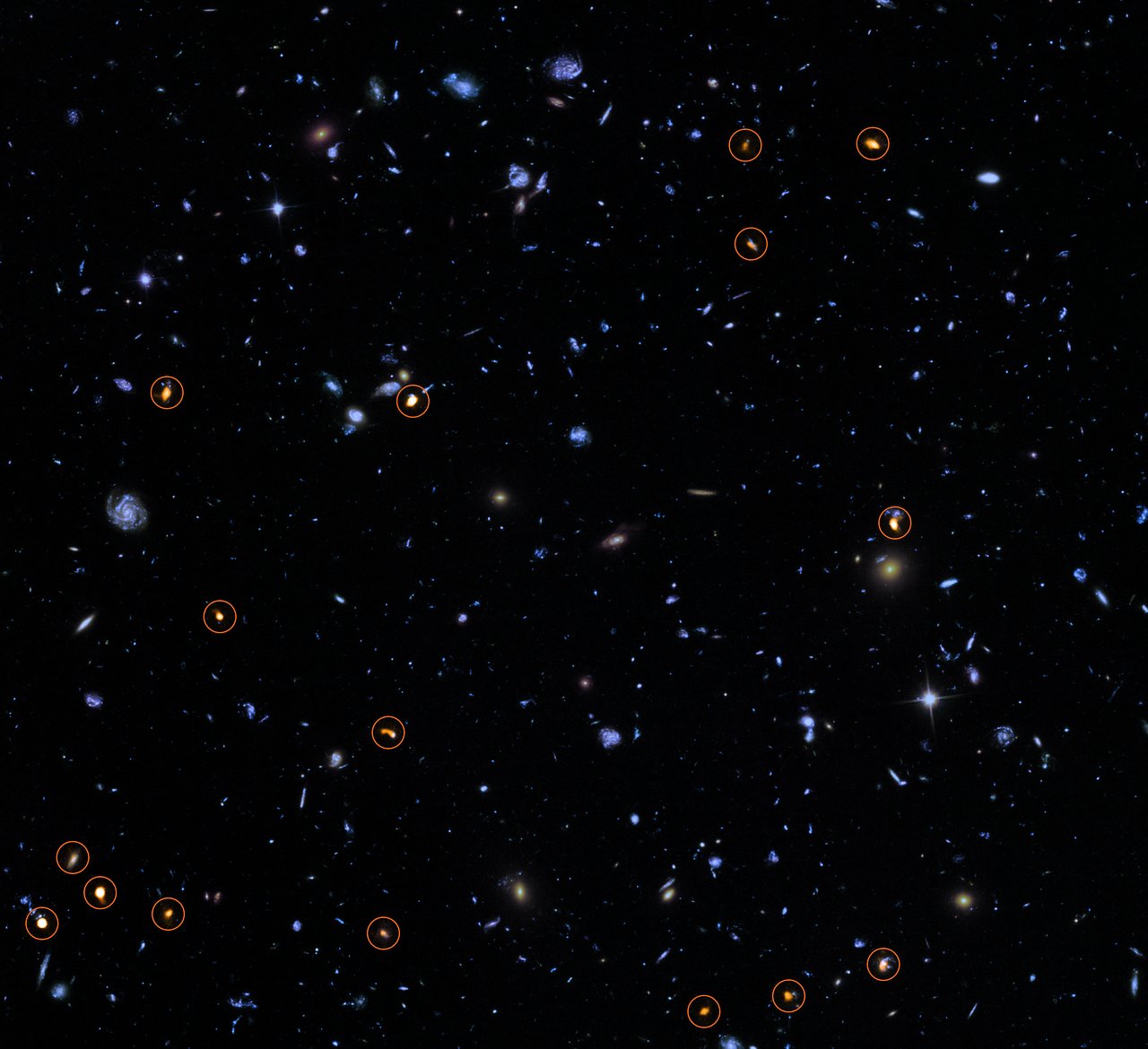
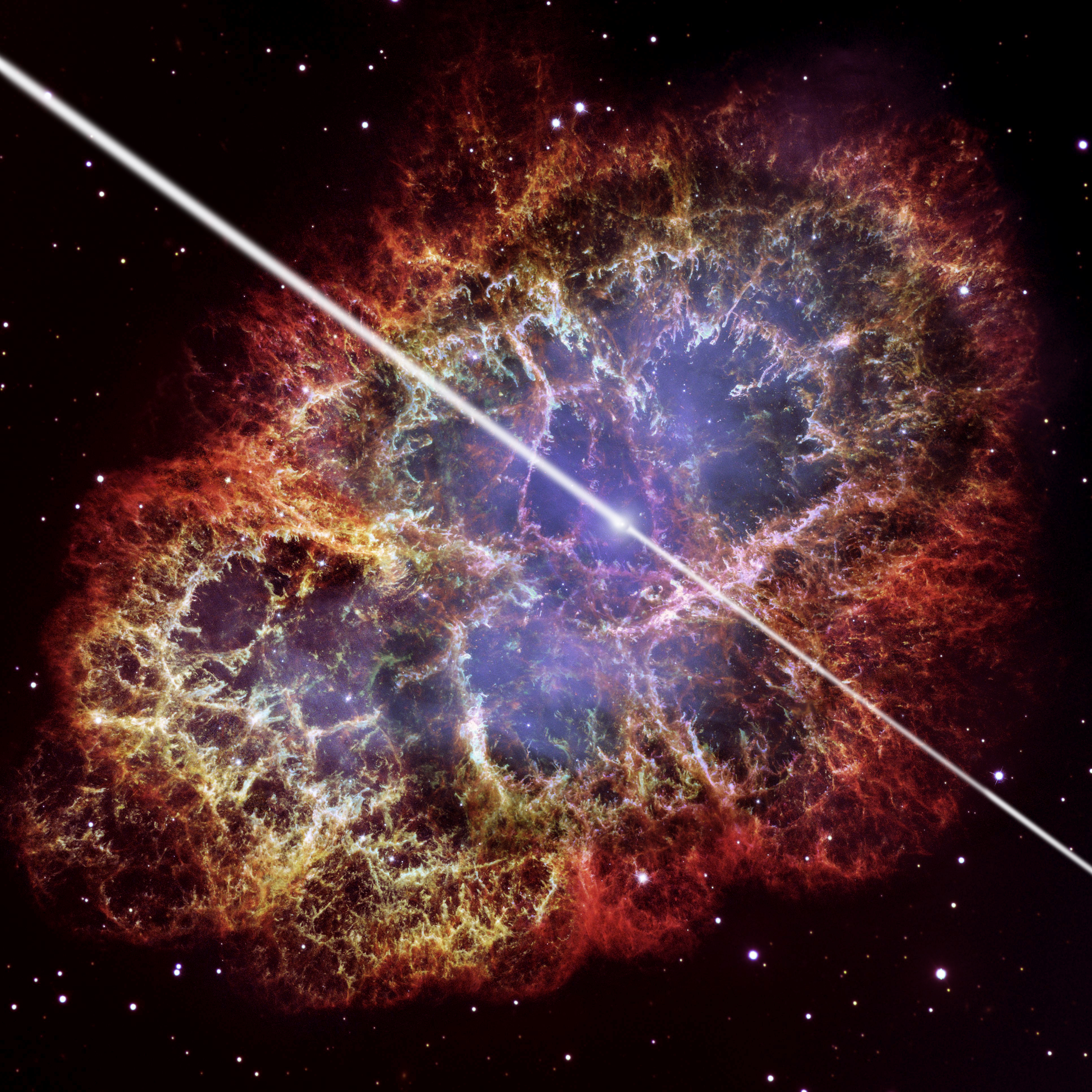
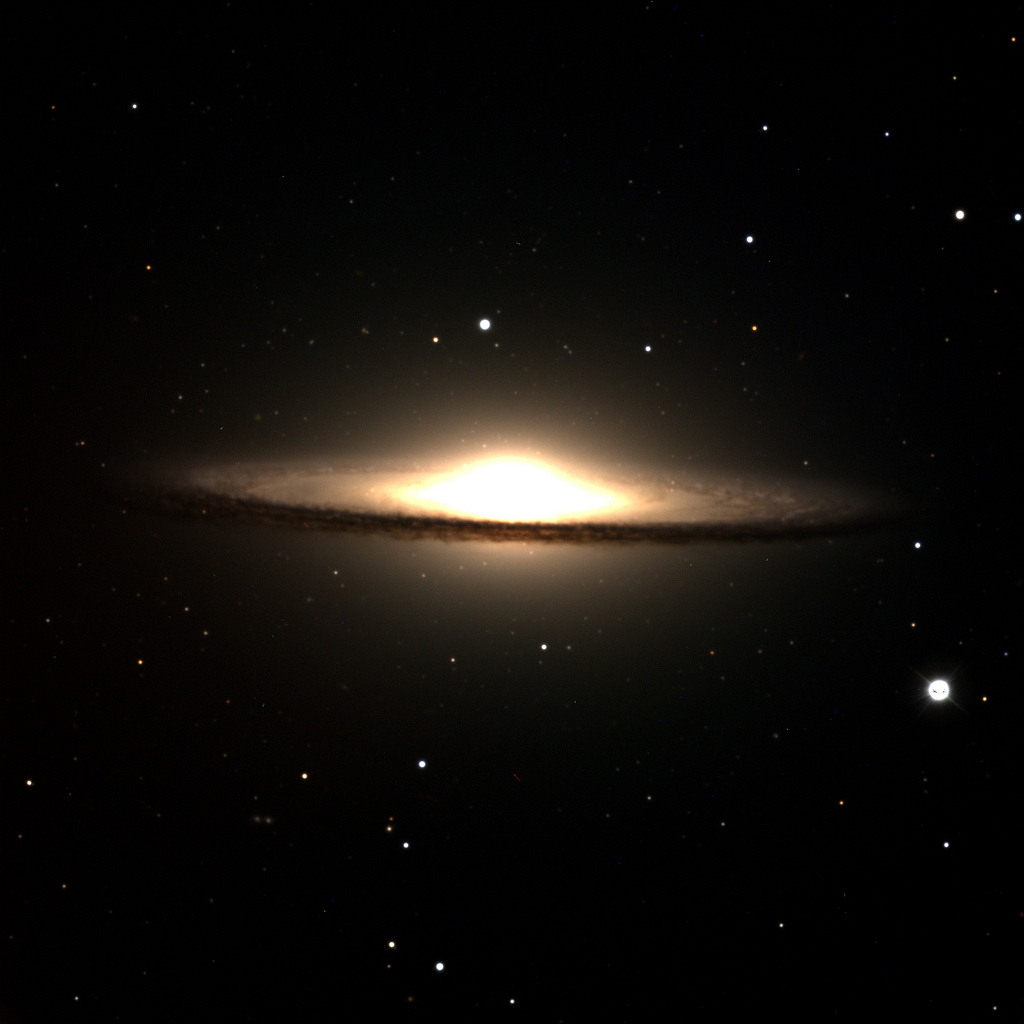
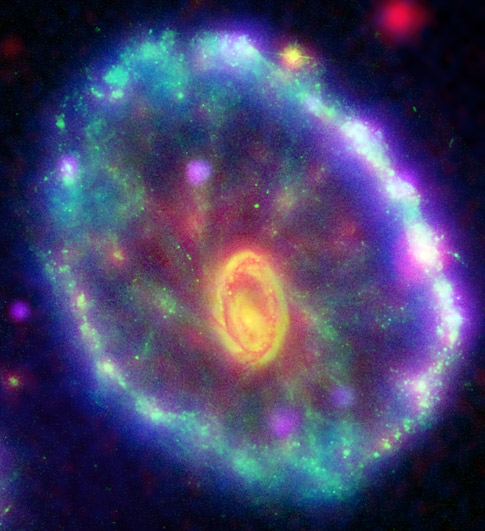
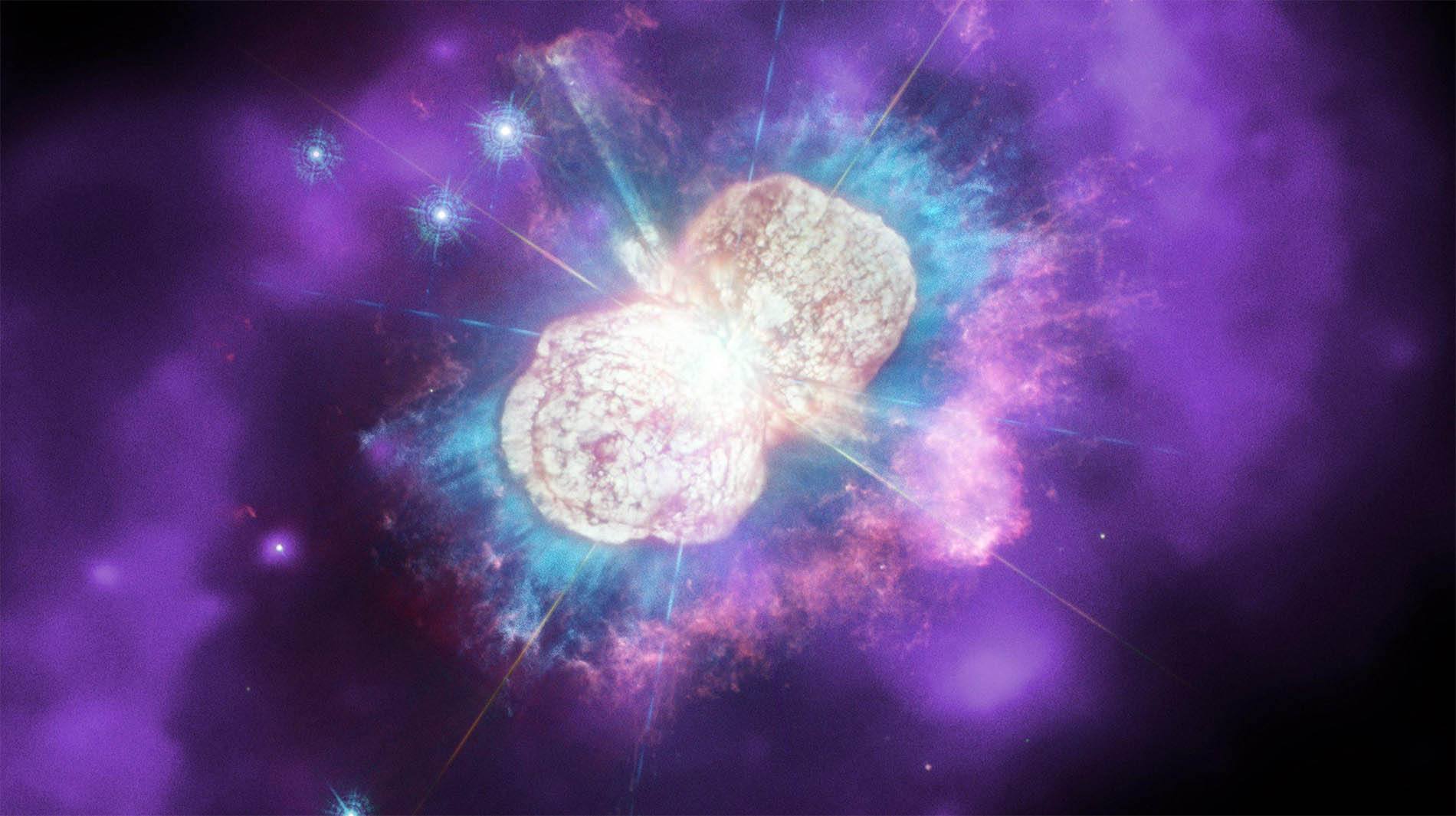
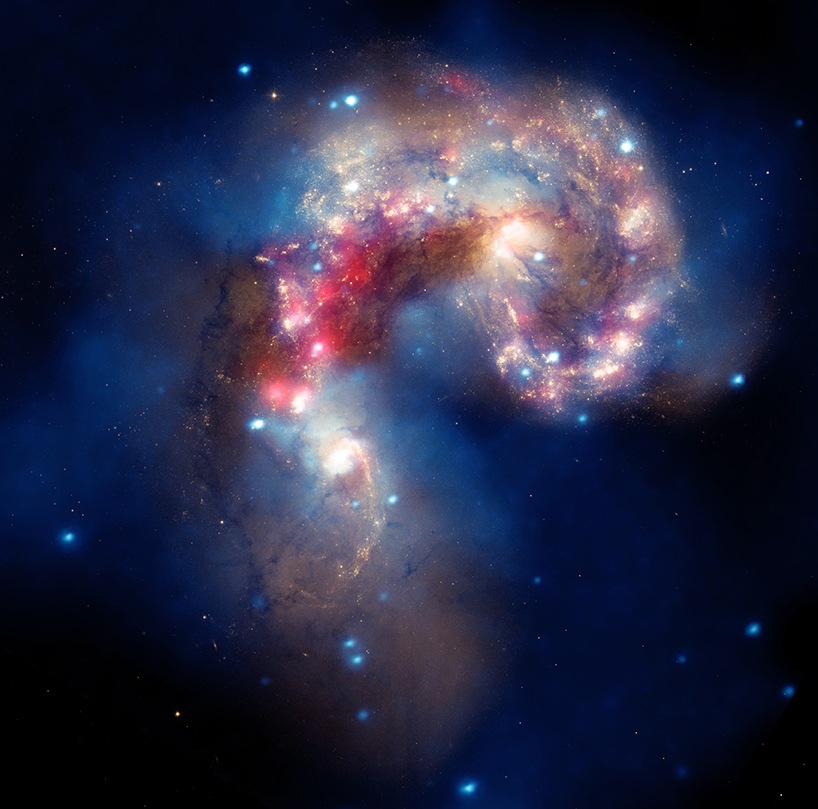
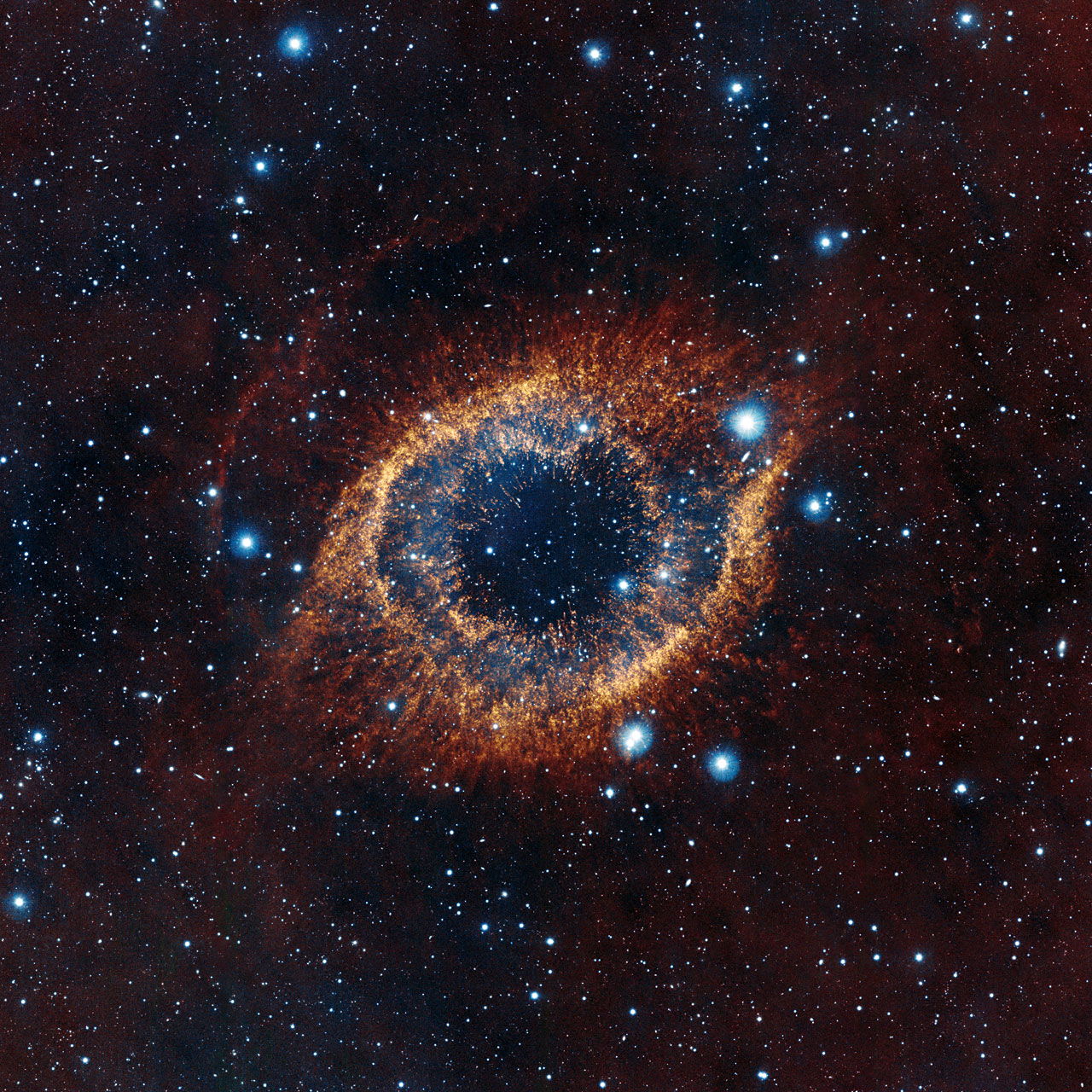
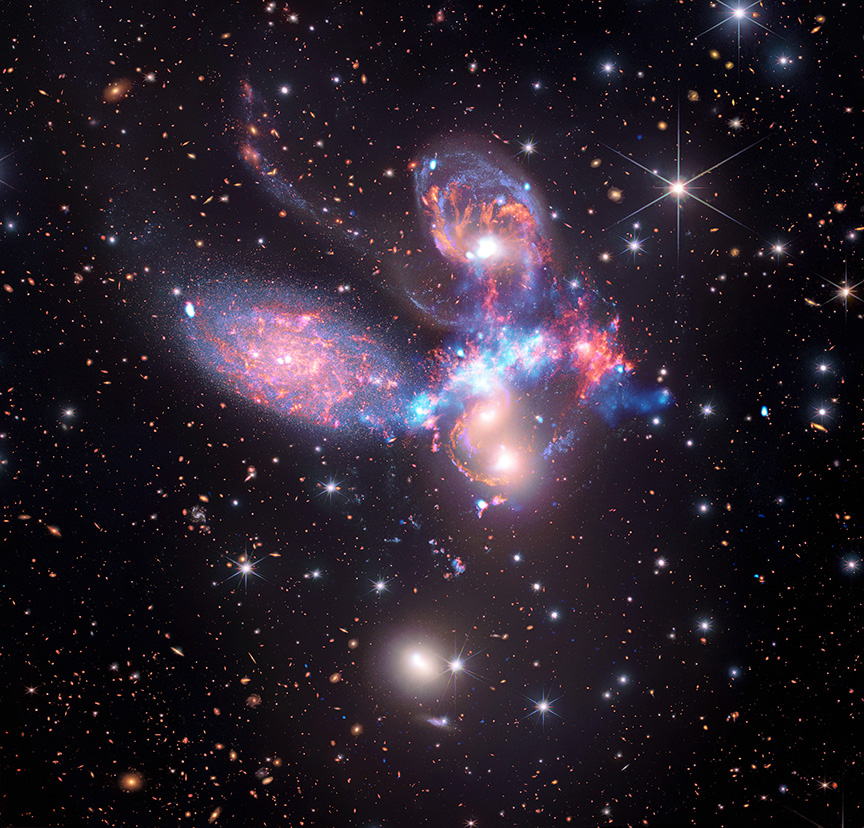
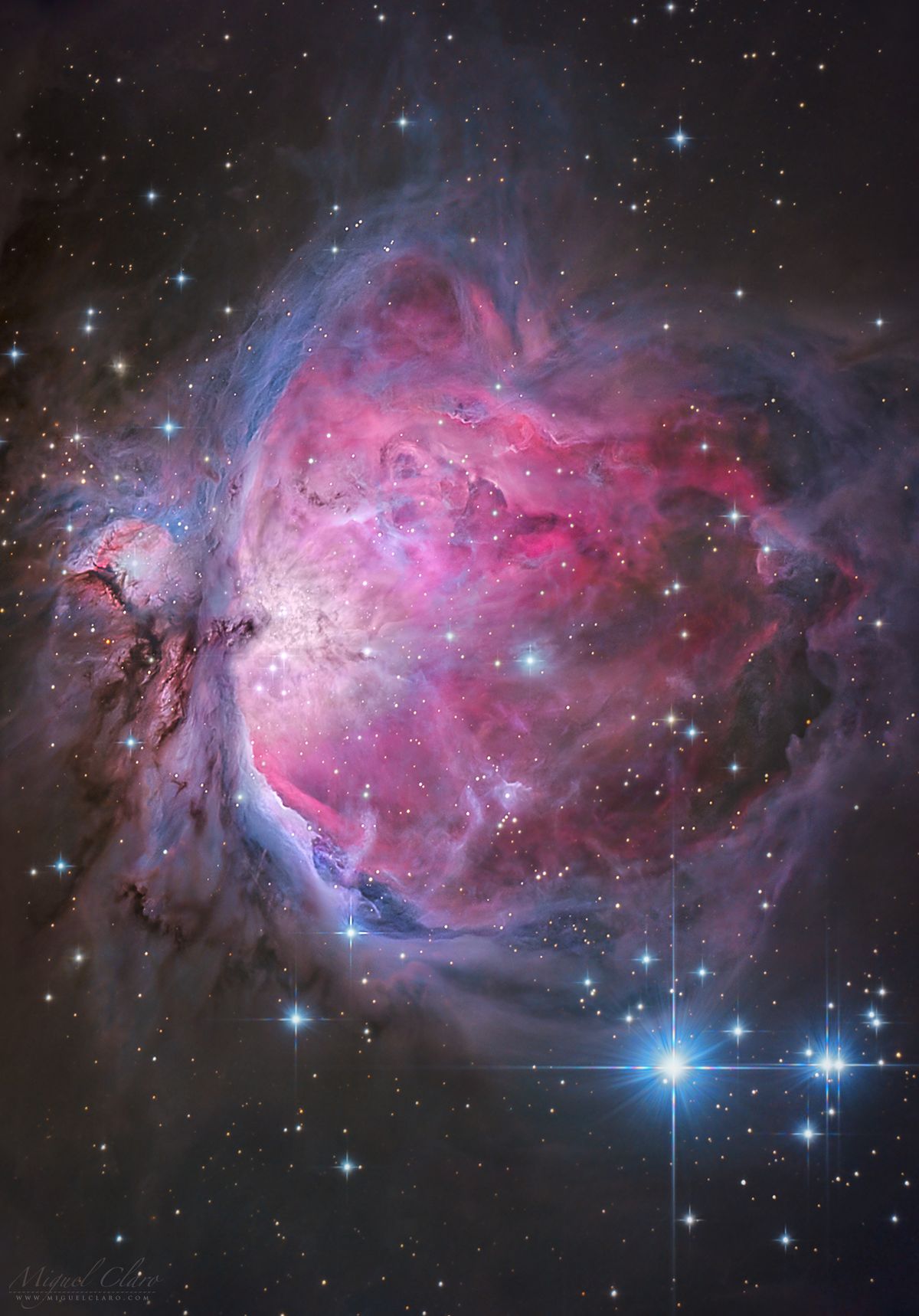
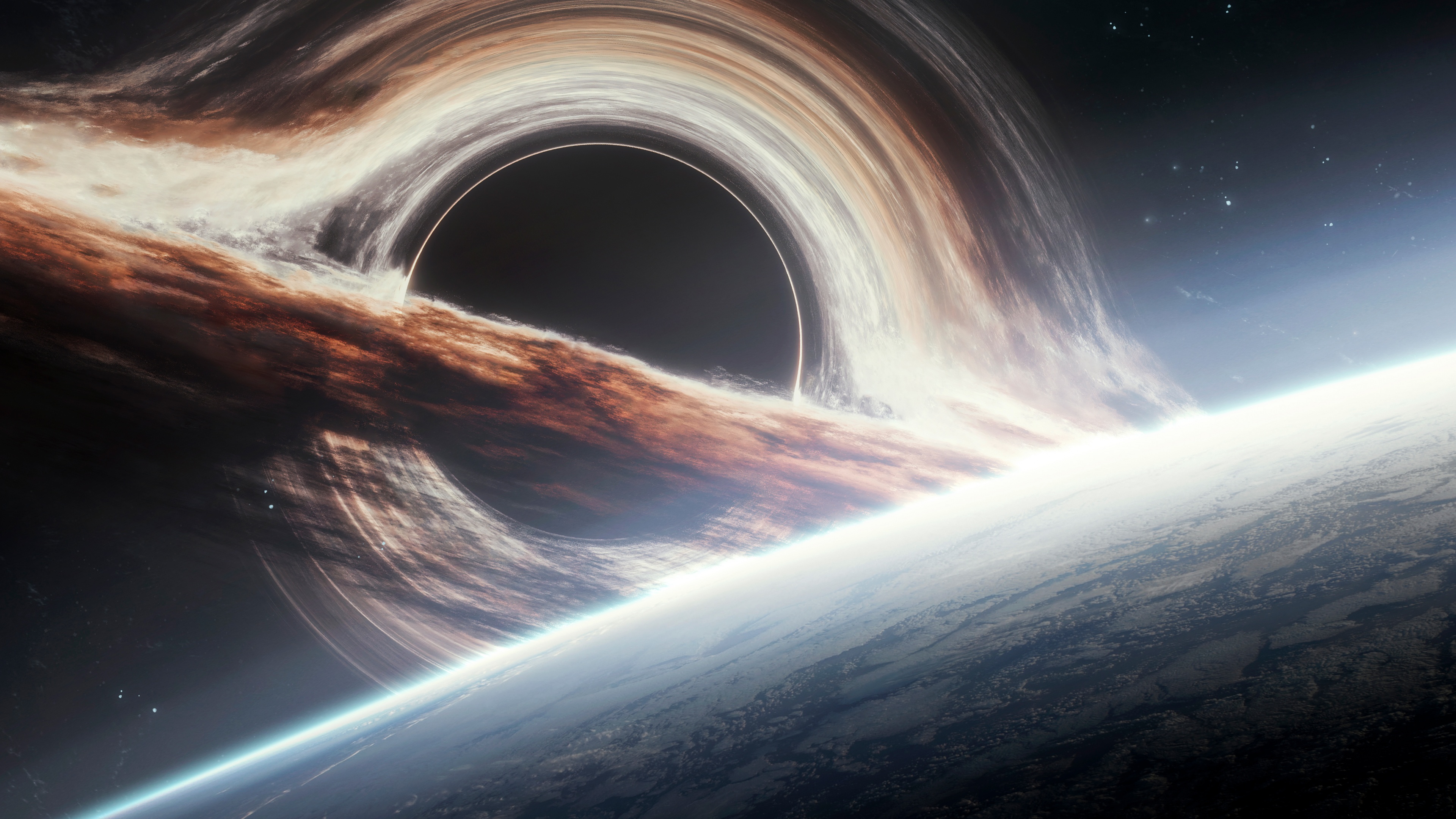
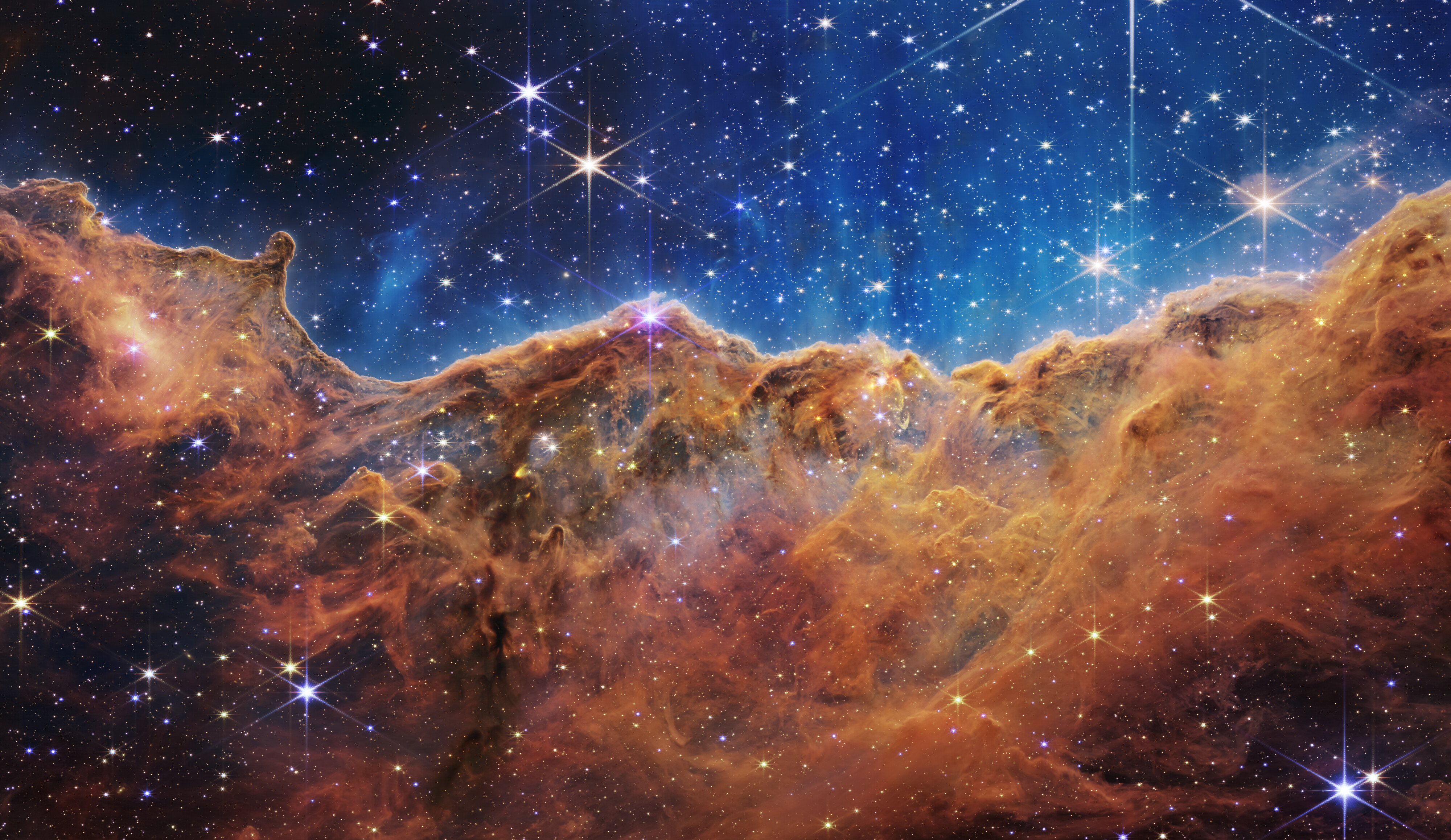
Eight worlds. Infinite wonder. One fleeting chance to understand it all.
Cosmic Scale
The observable universe spans 93 billion light-years. Even travelling at the speed of light, it would take longer than the universe has existed to cross it.
Modern telescope data suggests there are over 2 trillion galaxies in the observable universe — ten times more than previously thought.
The universe began 13.8 billion years ago from an infinitely dense point. The cosmic microwave background radiation is its faint afterglow, still detectable today.
Light travels 299,792 km per second. Sunlight takes 8 minutes to reach Earth. The nearest star, Proxima Centauri, is 4.24 light-years away.
About 68% of the universe is dark energy, 27% is dark matter. Everything we can see — stars, planets, galaxies — makes up just 5% of the cosmos.
Our Milky Way is on a collision course with the Andromeda galaxy. In about 4 billion years, the two galaxies will begin merging into a single elliptical galaxy.
Solar System
Stellar Classification
Beyond the Solar System
Cosmic Structures
Cosmic Titans & Mysteries
Universal Phenomena
Deep Space Gallery
The most iconic images ever captured by humanity's greatest telescopes — each one a window billions of light-years deep into the cosmos.
Human Exploration
The Soviet Union launches the first artificial satellite. Its radio beeps, audible on Earth, mark humanity's first foray beyond the atmosphere.
The Soviet cosmonaut becomes the first human in space, completing one orbit in 108 minutes aboard Vostok 1.
Neil Armstrong and Buzz Aldrin walk on the Moon's surface. Armstrong's words — "one giant leap for mankind" — are broadcast to 600 million viewers worldwide.
Hubble revolutionizes our understanding of the universe, capturing images of objects 13+ billion light-years away and measuring the universe's expansion rate.
NASA's twin rovers land on Mars. Opportunity was expected to last 90 days but operated for 14 years, traveling over 45 km across the Martian surface.
Launched on Christmas Day, Webb can see the universe's first galaxies forming just 300 million years after the Big Bang, in unprecedented infrared detail.
The Biggest Question
The universe is under no obligation to make sense to you.
— Neil deGrasse TysonThere are more stars in the observable universe than grains of sand on every beach and desert on Earth. The numbers are so vast that the idea of Earth being the only world where something looks up and wonders seems not just improbable — it seems almost arrogant. Europa hides a liquid water ocean larger than all of Earth's seas combined. Enceladus jets organic molecules into space. Mars bears the scars of ancient rivers. The James Webb Space Telescope has already detected potential biosignature molecules in the atmosphere of a distant exoplanet. The scientific search for life is no longer philosophy — it is an active, funded, rapidly advancing field of science.
Then there is the silence. If the universe is so vast, so old, and so full of habitable worlds, where is everybody? The Fermi Paradox has haunted scientists since 1950, and no one has answered it convincingly. The 1977 "Wow! signal" — a 72-second narrowband radio pulse that matched every expectation of an alien transmission — was never detected again. We may be rare. We may be early. Or the cosmos may be teeming with life that simply hasn't found us yet. Right now, for the first time in the history of our species, we are actually building the tools to find out. We are just beginning to listen.